CAT 1 Week 3 Response
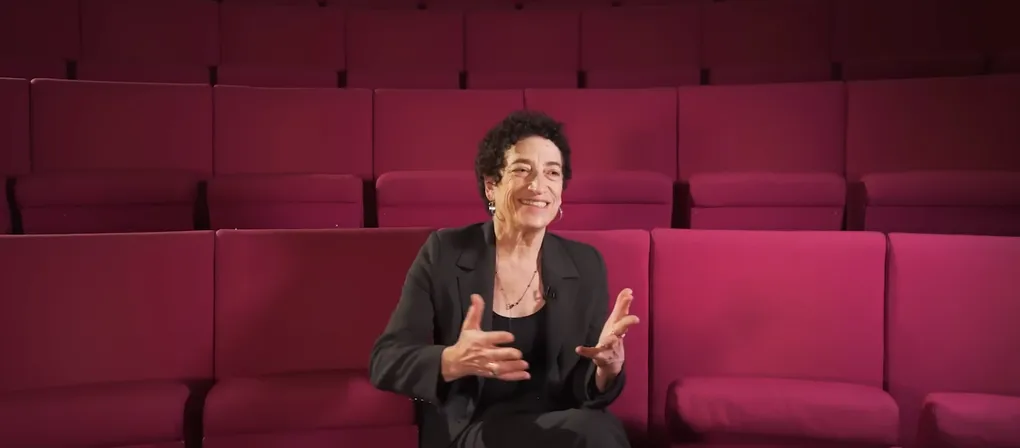
From Dr. Oreskes’ talk, I learned that science is made credible by the diverse community of scientists who criticize and check each other’s work. One scientist may view one set of evidence and claim one such way, while another scientist would analyze the same data and come up with a different conclusion. Diversity in the scientific community will mathematically increase the reliability and validity of any results because it increases perspectives and viewpoints. After many diverse hypotheses have been conducted and disputed, the best solutions will emerge that represent the culmination of the brightest minds’ ideas.
Relating back to her book “CODA: Values in Science,” people often distrust science because scientists’ claims to be perfectly value-neutral leave a sense of skepticism and questioning. When scientists claim to be honest, yet decline to share their personal beliefs and values, they contradict themselves. To the average person, science seems like a formidable, established institution. However, Orekes’ talk helped me realize that the scientific community is merely a large group of people who are passionate about spreading their love for innovation. I believe we need to remind the public that science is made up of real people with a vast array of backgrounds who have genuine intentions of solving problems for all. For example, Charles Darwin, fascinated by the Galapagos finches, drew conclusions based on the observations he made. Through his own ideological framework, he shared his take on the theory of evolution in “The Origins of Species,” which was criticized and analyzed by many others. People are more inclined to trust others’ work when they can see that it has been deeply thought through and verified. Therefore, in order to minimize the doubt surrounding science, the public needs to be aware of the numerous scientists who check each other’s work and genuinely strive to create a better world for everyone.